

What Happens During an ERP Therapy Session?
Exposure therapy can seem mysterious, but the approach is straightforward and does not have to be scary, extreme, or complicated. Learn what to expect in an ERP therapy session…
Serving Ojai, CA
Compassionate, evidence-based support for Ojai parents experiencing intrusive thoughts, pregnancy anxiety, or postpartum OCD symptoms.
Perinatal OCD therapy helps Ojai clients understand intrusive thoughts without treating them as intentions, then build practical skills for responding differently to fear, checking, and avoidance during pregnancy and postpartum.
Sessions are available by secure telehealth from Ojai, while the practice office remains in Ventura for clients seeking in-person care when appropriate.

There is significant overlap between perinatal diagnoses and many new moms have co-occurring challenges with anxiety and low mood. Mothers with postpartum depression may have ruminative thinking, loss of interest in previously enjoyed activities, feelings of hopelessness, changes in appetite and sleep, and may experience preoccupation with death. Postpartum depression is often present with anxiety and OCD.
Postpartum anxiety shares many features with postpartum OCD and can be conceptualized as existing on a spectrum. The content of postpartum anxiety themes tends to be more generalized and sufferers don't engage in repetitive rituals to the extent seen in OCD. OCD's obsessional content tends to be more specific and sometimes bizarre in nature with compulsive rituals and avoidance more distinctive. OCD symptoms are present more than an hour per day and cause psychological distress with functional impairment in important roles (eg. parenting, work, social relationships).


It's common for OCD to show up during times of significant hormonal changes in women, with pregnancy and postpartum posing a uniquely high risk. In fact, the birth of a child is the most common life event that can trigger the onset or worsening of obsessive-compulsive symptoms. Estimates report the prevalence of postpartum OCD from 2% to 17%. Women with a history of OCD are estimated to experience recurrence at 25% to 75% during the perinatal period.
Mothers with social support will have greater rates of recovery from perinatal mood and anxiety disorders. Although it can be challenging with OCD symptoms and a new baby, maintaining a social community that allows you to shift your attention away from anxious rumination is important. Some ideas include attending regular new parent support groups, "Breastfeeding Sisterhood" type lactation support groups, Mommy-and-Me play groups, and infant care educational groups. To best support your recovery, it's also important to connect your treatment team so your psychotherapist can coordinate your care with any other clinical providers (eg. lactation consultant, psychiatrist, nurse practitioner). If you have a spouse or partner, they are welcome and encouraged to participate in your therapy.
Safety information
Postpartum OCD's harm obsessions are experienced as unwanted and outside the value system of the mother. Unwanted thoughts or images of baby being harmed are distressing and misaligned with a mother's true values, beliefs, and sense of who she is (therapists call this "not me" feeling "ego-dystonic").
Most people with OCD have fair to good insight with understanding the content of their thoughts and behavior is irrational. Although they may be afraid to change, they seek help because they are bothered by their thoughts, sense they are bizarre or untrue, and suspect their compulsions and avoidance are not helpful.
In contrast, psychotic illness has very little or absent insight. Thoughts feel real and aligned with the sufferers beliefs during the course of the illness or episode (this is called "ego-syntonic"). Postpartum psychosis is a medical emergency with signifiant risk of harm to mother, baby, and other children. Postpartum OCD does not carry the same risks as postpartum psychosis. If you have questions about your own or your loved one's mental health, contact a healthcare provider for an evaluation.
Licensed Therapist
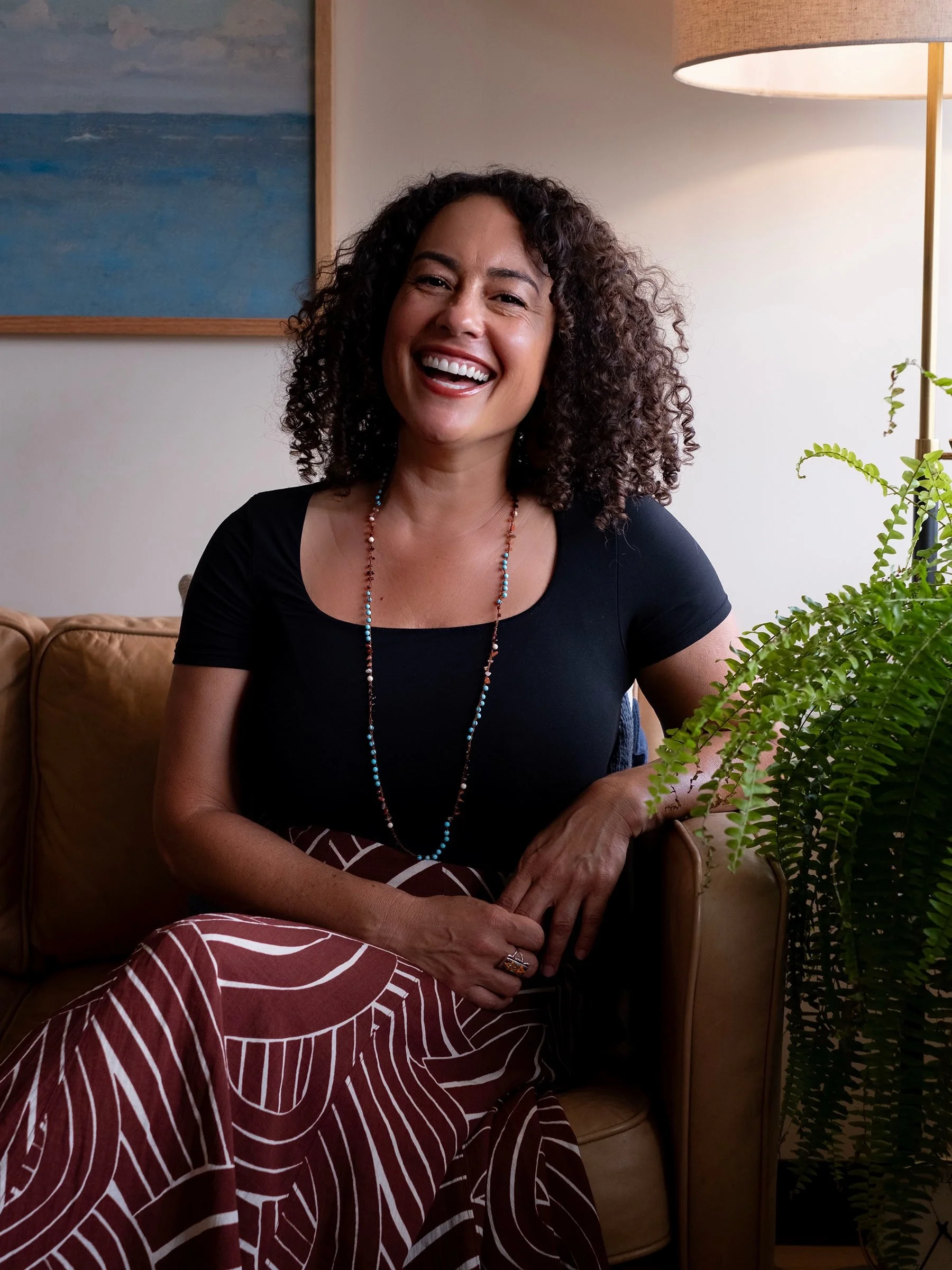
I'm a Licensed Clinical Social Worker and psychotherapist specializing in obsessive-compulsive conditions. I provide individual therapy for OCD, anxiety, and perinatal mental health. In-person therapy in Ventura County and online throughout California.
Articles and News
Exposure therapy can seem mysterious, but the approach is straightforward and does not have to be scary, extreme, or complicated. Learn what to expect in an ERP therapy session…

Pure O OCD can feel like being trapped in a mental loop. Rumination-Focused ERP helps you stop invisible mental compulsions and regain your freedom…

Many people with OCD experience meaningful relief with weekly ERP, while others benefit from more frequent treatment. Learn when intensive ERP treatment may be appropriate…